The legacy of the Seymour family transitioned from naval heroism to rural clerical life and, finally, to pioneering adventures in South America.
Sir Michael Seymour, 1st Baronet (1768–1834) was celebrated Royal Navy officer, Sir Michael is best known for his "brilliant exploit" in capturing the French frigate Thétis in 1808. Naval Career: He served through the French Revolutionary and Napoleonic Wars, notably losing his left arm at the "Glorious First of June" in 1794. Following his victory over the Thétis and later the Niémen, he was created a baronet in 1809. Final Post: He died in July 1834 while serving as the Commander-in-Chief of the South American Station in Rio de Janeiro.
Reverend Richard Seymour (1806–1880). The fifth son of Sir Michael, Richard broke the family's naval tradition to enter the Church. At Kinwarton: He served as the Rector of Kinwarton and Great Alne in Warwickshire for over 40 years (1834–1876). Life at the Rectory: He was a Canon of Worcester and a prominent local figure; his rectory at Kinwarton reportedly housed nearly 20 people, including his large family, curates, and servants. Marriage: He married Frances Smith, a niece of Sir William Knighton (physician to George IV).
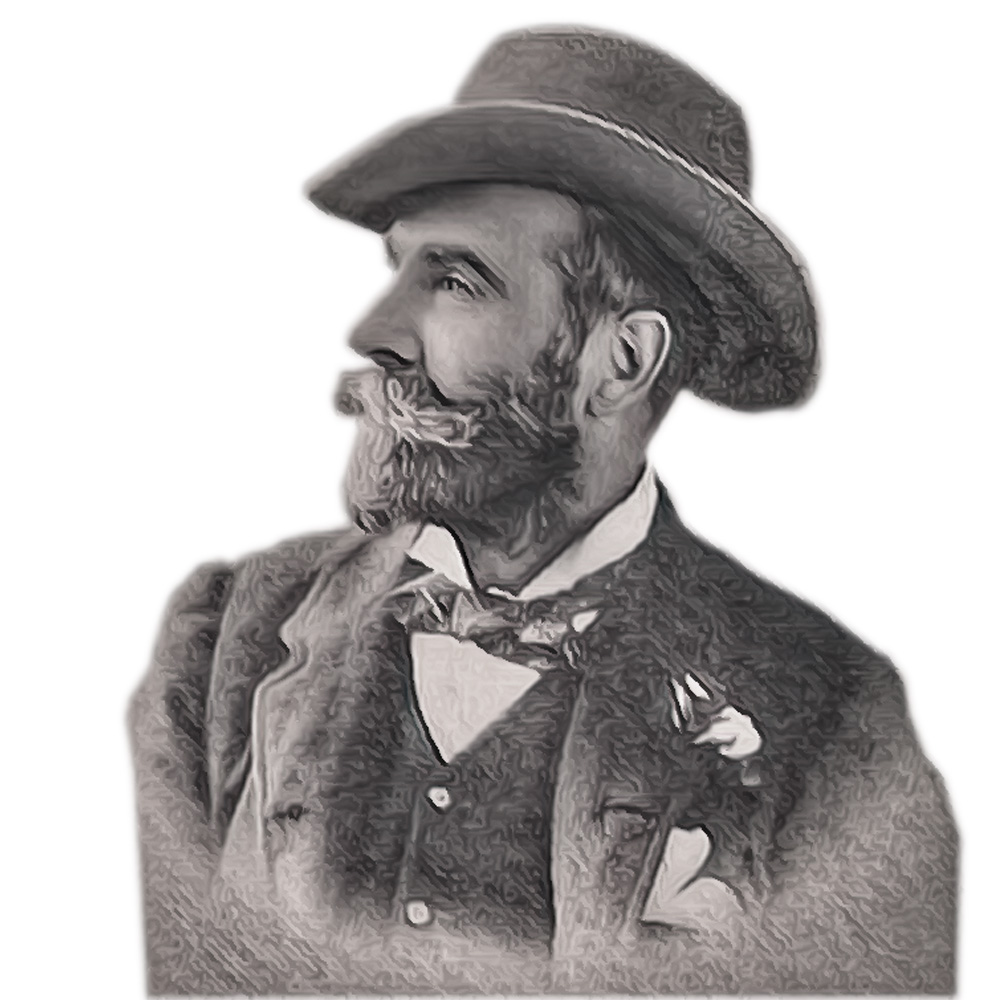
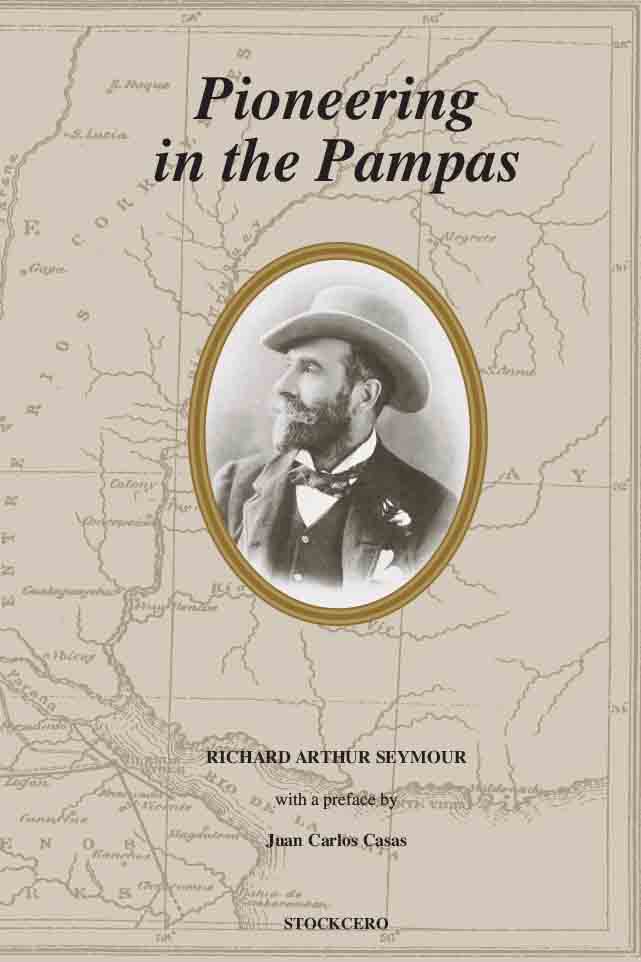
Richard Arthur Seymour (1843–1906). The grandson of Sir Michael and son of the Rector, Richard Arthur was one of several brothers who sought adventure abroad. In 1865–1869: Along with his brother Walter, he traveled to the Argentine Pampas to establish a sheep farming estate called "Monte Molino" (or Estancia Molina) near Fraile Muerto (now Bell Ville), Córdoba. After four years of facing indigenous raids (malones), cholera outbreaks, and the harsh realities of frontier life, he returned to the Kinwarton Rectory in 1868. There, he wrote his memoir: Pioneering in the Pampas; or, the First Four Years of a Settler's Experience in the La Plata Camps, published in 1869. Later Life: He eventually settled in Maidstone, England, where he became a prominent local politician and served as Mayor in 1893.